The Plant Life of Kilimanjaro
 Plant life is featured in my book Kilimanjaro: One Man’s Quest to Go Over the Hill, which chronicles my attempt to summit Mount Kilimanjaro, the highest mountain in Africa. The book is on sale now as an e-book for $3.99 and in paperback for $9.99 from Amazon and other booksellers.
Diverse vegetation from different climate zones graces the slopes of Kilimanjaro. One of the more unique places on Earth, the mountain lies in Africa’s Afromontane region that straddles the Equator with clusters of freestanding mountains and plateaus surrounded by lowlands. A sky island more at home in the far reaches of the northern and southern hemispheres than the equatorial tropics, Kilimanjaro has amazing biodiversity.
Within days, mountaineers can hike through five different climate zones. These are:
- Lowlands: Between 2,600 and 5,900 feet (790-1,800 meters), this is the subtropical area located just above the Serengeti plains. An area with heavier rainfall, its vegetation is dominated by banana, coffee, and other plants grown as crops.
- Rainforest: Between 5,900 and 9,200 feet (1,800-2,800 meters), this is a subtropical rainforest rich with plant and animal life. The widest variety of flowering plants range in this zone.
- Moorland and heather: Between 9,200 feet and 13,100 feet (2,800-4,000 meters), this area has less vegetation and is dominated by a few plant and animal species, including groundsels, lobelias, heather, and tree moss. Trees disappear above 13,000 feet.
- Alpine or high desert: Between 13,100 and 16,400 feet (4,000-5,000 meters), this arid, semi-desert zone has no trees and few plants. Sage grass, hearty helichrysum flowers, moss, and thistles are common there.
- Arctic or summit: Above 16,400 feet (5,000 meters), this is an arid zone with intense sunlight, thin air, and heavy snow and ice. Few to no plants grow there.
The southern and western slopes of Mount Kilimanjaro are wetter than its northern and eastern sides. The city of Arusha to the west of Kilimanjaro sits in a tropical bowl, while the Serengeti Plains to the northeast are dry.
Here are some of the species of plant I encountered during my climb.
Mackinder’s Gladiolus (gladiolus watsonioides)

African blood or fireball lily (scadoxus multiflorus)

Hibiscus rosa-sinensis

Hibiscus rosa-sinensis

Protea kilimandscharica

Kniphofia thomsonii

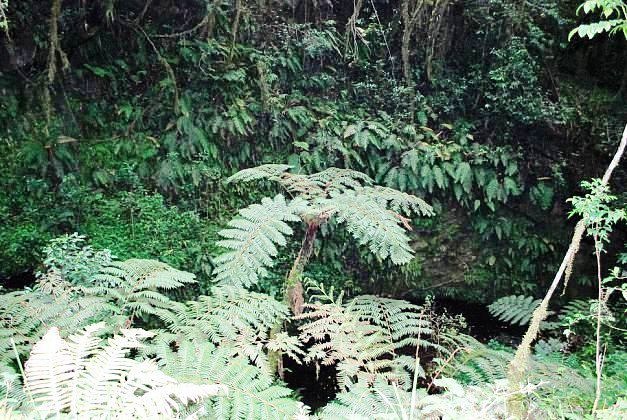
Giant fern
Stoebe kilimandscharica

Helichrysum meyeri johannis

The south side of Kilimanjaro is a fertile landscape filled with windswept views of stunted forests and swaths of vegetation. In the subtropical lowlands, wispy bunches of tree moss hang from the trees like tattered voiles ready to spring back to life when the rains return, transforming the forest into a fantasy land.
Tree moss, also known as old man’s beard or Spanish beard (usnea lichen)

Tree moss

Tree moss

Tree moss

Kilimanjaro impatiens (impatiens kilimanjari)

Kilimanjaro impatiens (impatiens kilimanjari)

Hebenstretia (the white flowering plant)

Hebenstretia

Daisy bush (euryops)

Dead daisy bush (euryops)

Golden daisy bush (euryops brownei)

The north side of Kilimanjaro offers a more Alpine landscape with heather and moorlands dominated by tussock or bunch grass. The view there is more desolate and, in some ways, more intriguing as the vegetation quickly gives way to the exposed mountain. Mountaineers who climb fields of rust-tinged rocks are often left with the impression that they are on the surface of Mars.
Tussock or bunch grass

Hypericum revolutum

Dead helichrysum newii

Helichrysum newii

Stoebe kilimandscharica with bird

Dead philippia excelsa with bird

In the highlands, the view is dominated by groundsel trees, or dendrosenecios, with trunks like palms and topped with spiky leaf rosettes, as well a cactus-like flowering plant known as the lobelia deckenii.
Giant groundsel (senecio kilimanjari)

Giant groundsel (senecio kilimanjari)

Giant groundsel (senecio kilimanjari)

Giant groundsel (senecio kilimanjari)

Giant groundsel (senecio kilimanjari)

Giant groundsel (senecio kilimanjari)

Giant lobelia deckenii with bird

Giant lobelia deckenii

Giant lobelia deckenii

Because few plants grow in the high desert, those that do such as sage grass and lobelia deckenii are photo ready. Unlike humans, the vegetation is hearty enough to survive the harsh climate on Kilimanjaro. Still, the mountain has a way of twisting everything at this altitude into bizarre and fascinating shapes.
Helichrysum meyeri johannis and lobelia deckenii

Helichrysum cymosum

Helichrysum cymosum

Sage grass

Dead thistle (carduus keniensis)

If you’re thinking about climbing Mount Kilimanjaro, imagine yourself hiking through these places over a few days. If you’ve already been there, I hope that these photos will bring back memories and help you put names to some of the beautiful foliage you saw on your way to and from the summit.





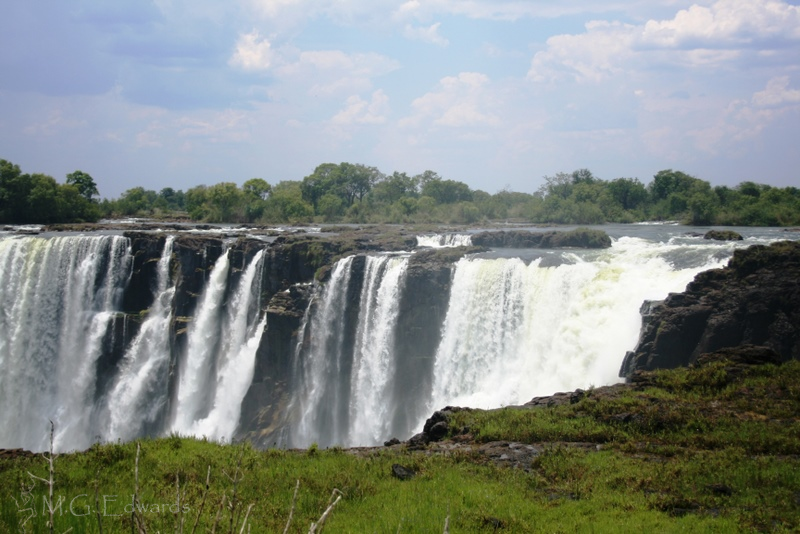
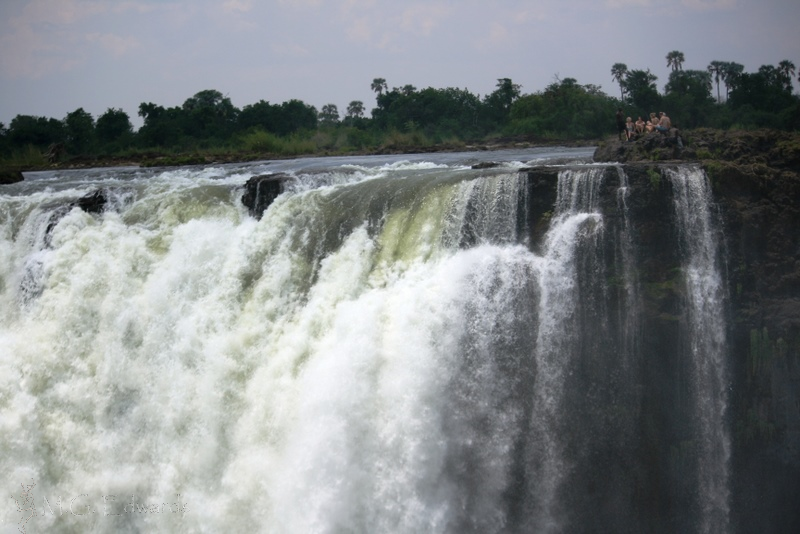
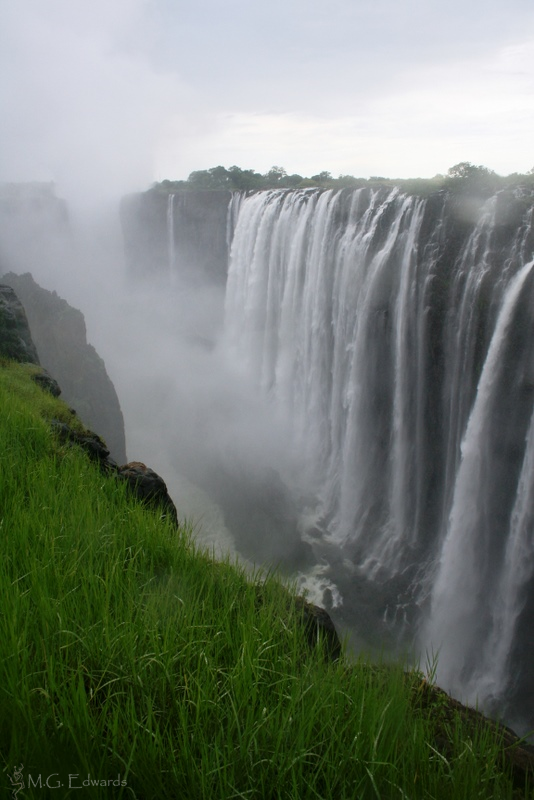 The best time of the year to visit the falls is between July and September, when the Zambezi River is aplomb with water. In November and December, the falls are almost dry and look like a canyon. Heavy rainfall fills the Zambezi between January and May, and it’s difficult to see the falls through a wall of mist created by falling water.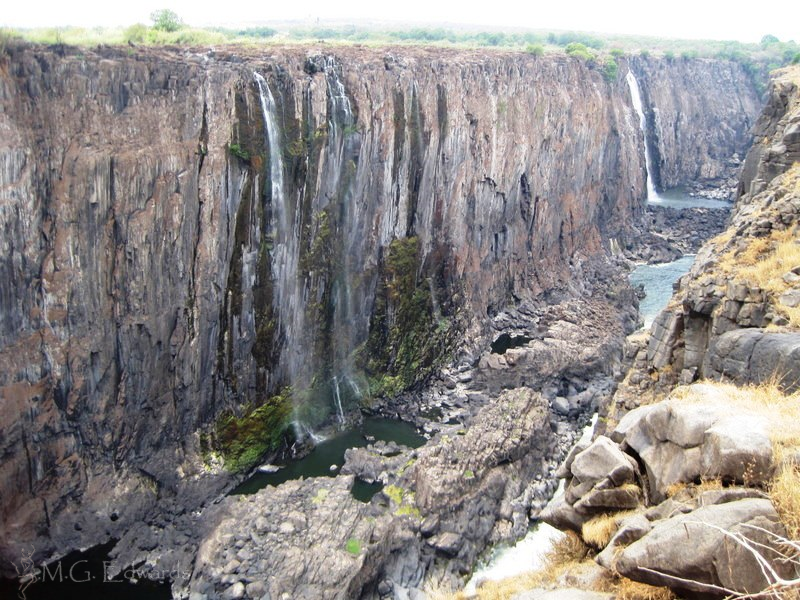
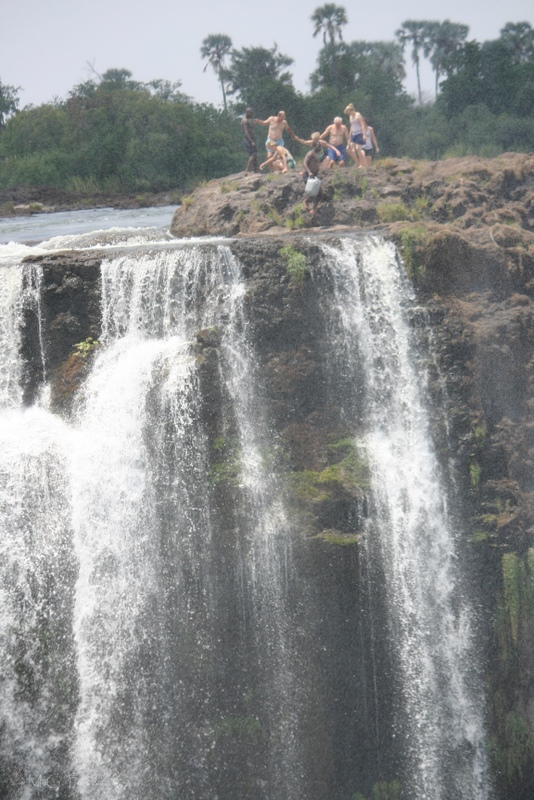
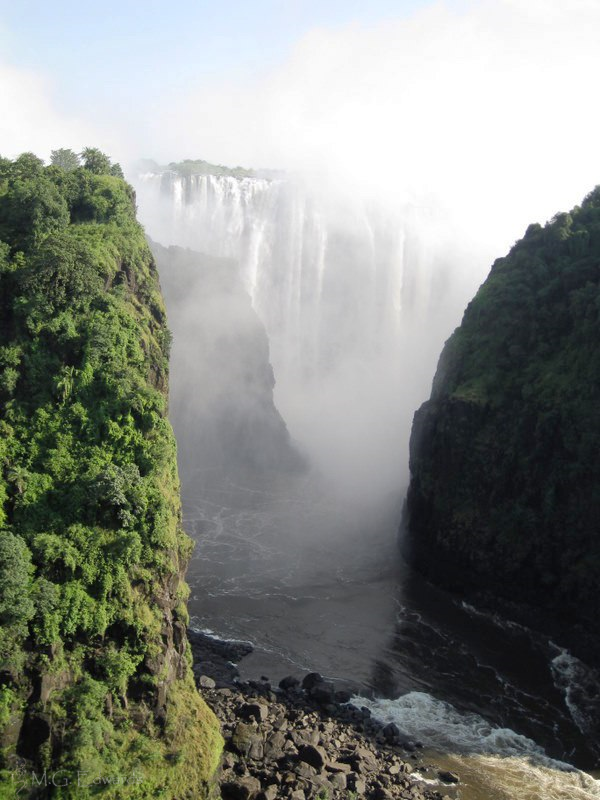 For a few weeks in November, the water level is so low that visitors can swim in the “Devil’s Pool.” It’s an experience of a lifetime and highly recommended if you visit at that time. The pool lies at the edge of the falls with a 105-meter (350 foot) drop on the other side. Although it looks terrifying, the Devil’s Pool offers brave souls the sensation of swimming in a whirlpool bathtub. If you’re an adventurous sort, there’s also bungee jumping or zip lining from the Victoria Falls Bridge and whitewater rafting in some unruly rapids below the falls. Keep in mind that these activities can be dangerous. In January 2012,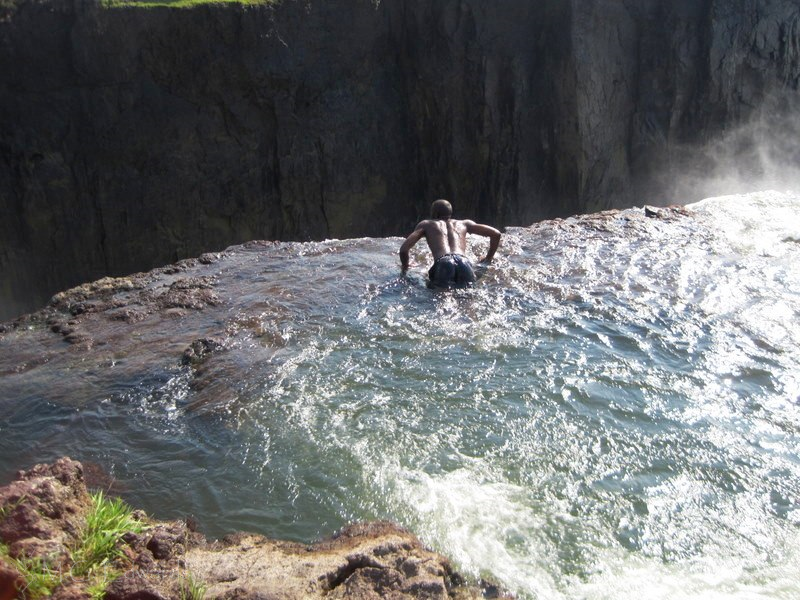
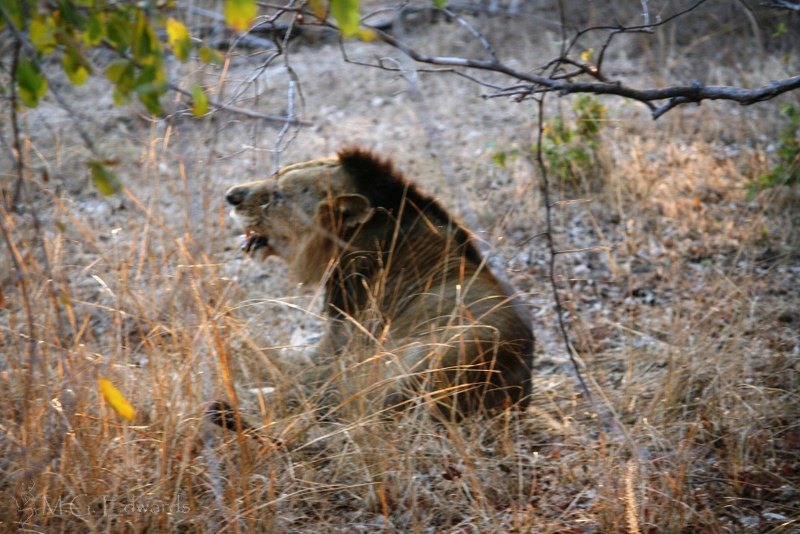
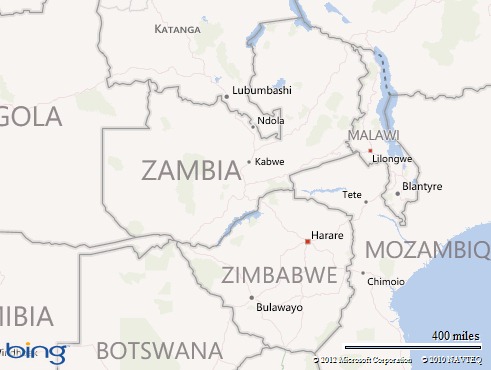
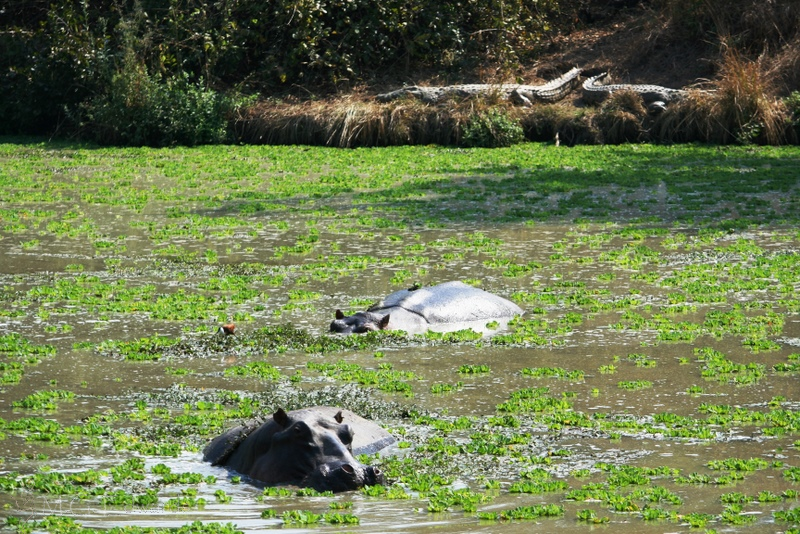
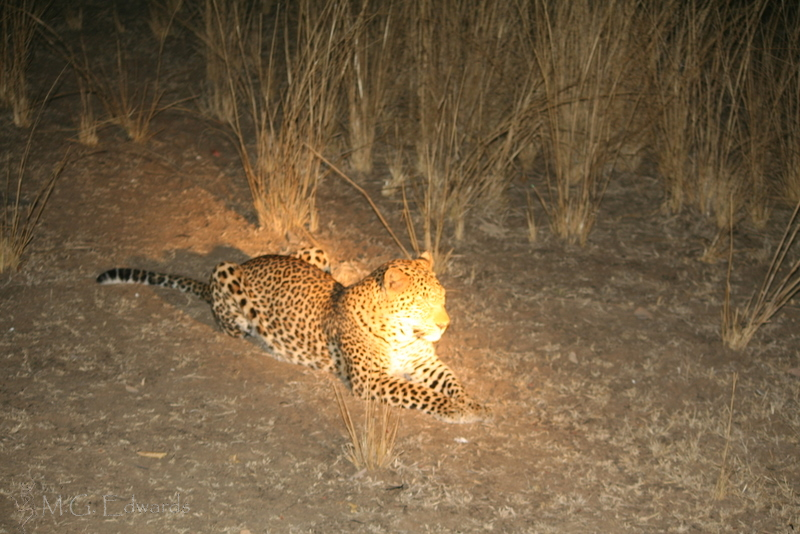
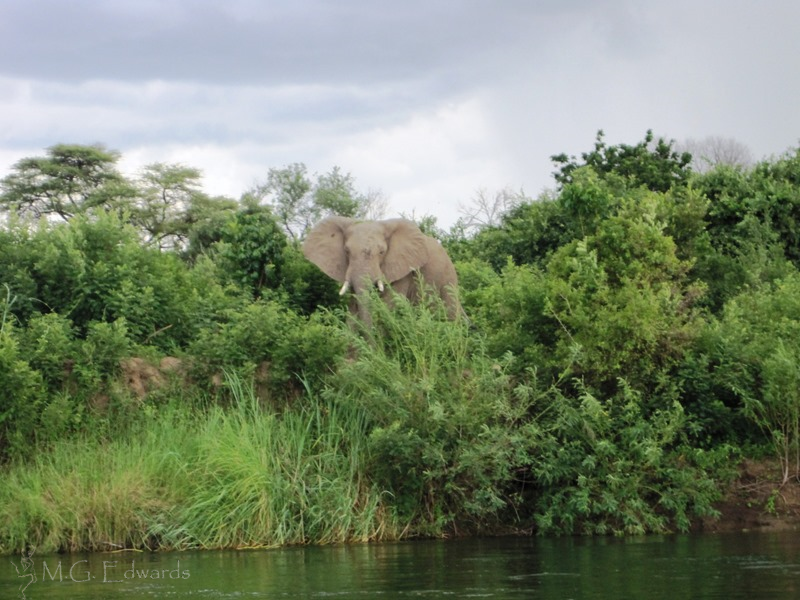
 2. South Luangwa National Park: South Luangwa National Park is one of many national parks in Zambia, and the most popular, because it’s filled with abundant wildlife. It’s a short flight or a ten-hour drive from Lusaka via Eastern Province. Flying is more convenient but can be expensive. The daytime and nighttime game drives in South Luangwa are fabulous.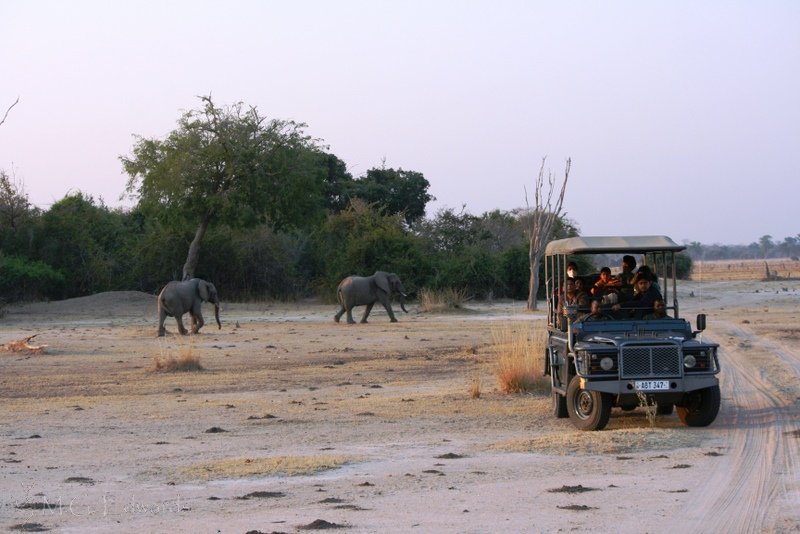
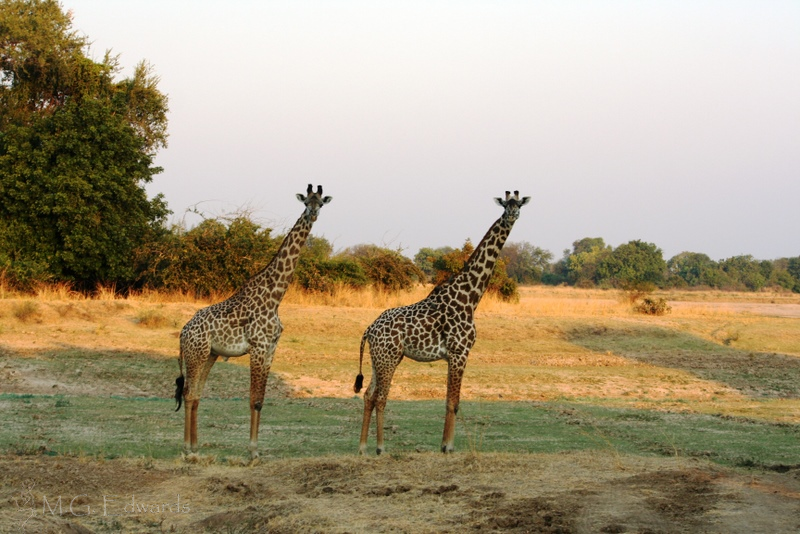
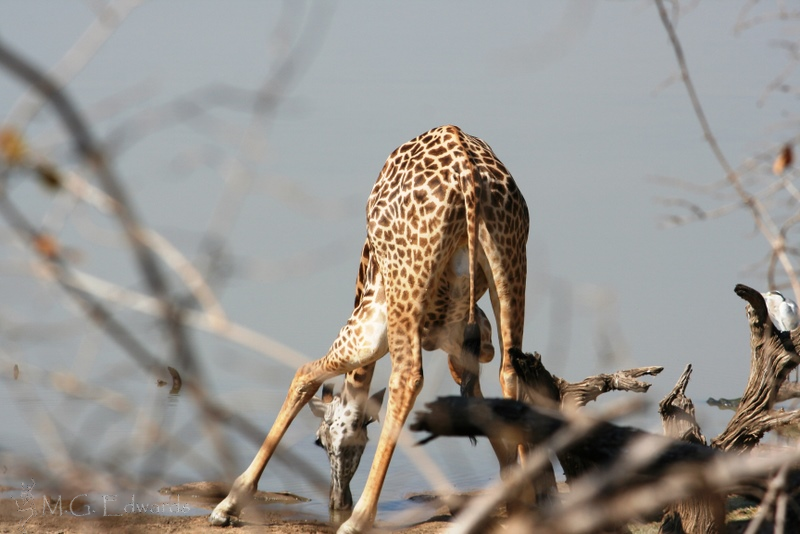
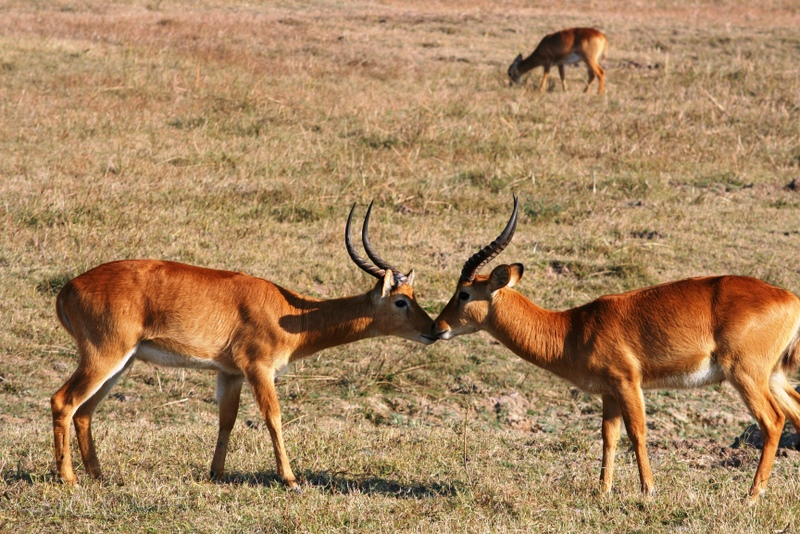
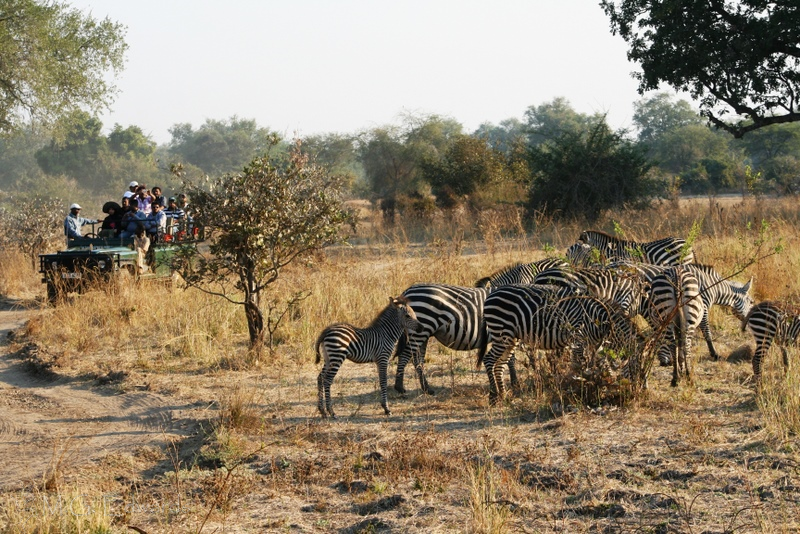
 For high-end lodging, stay at the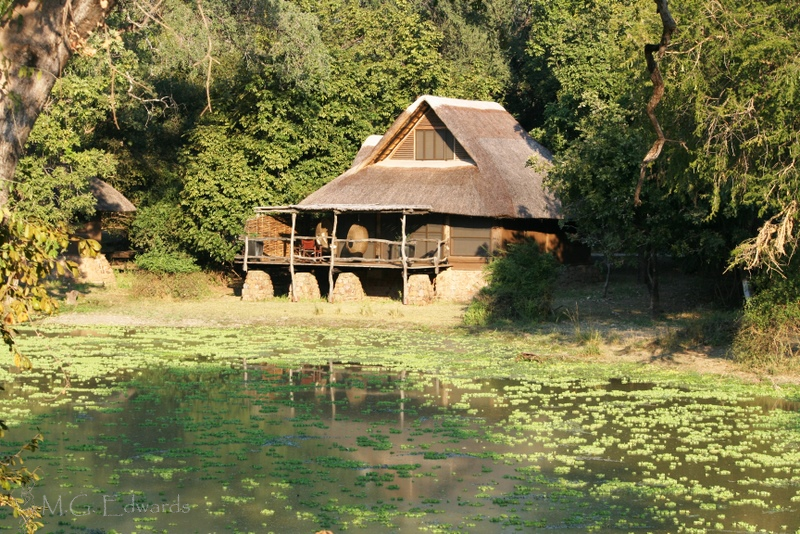
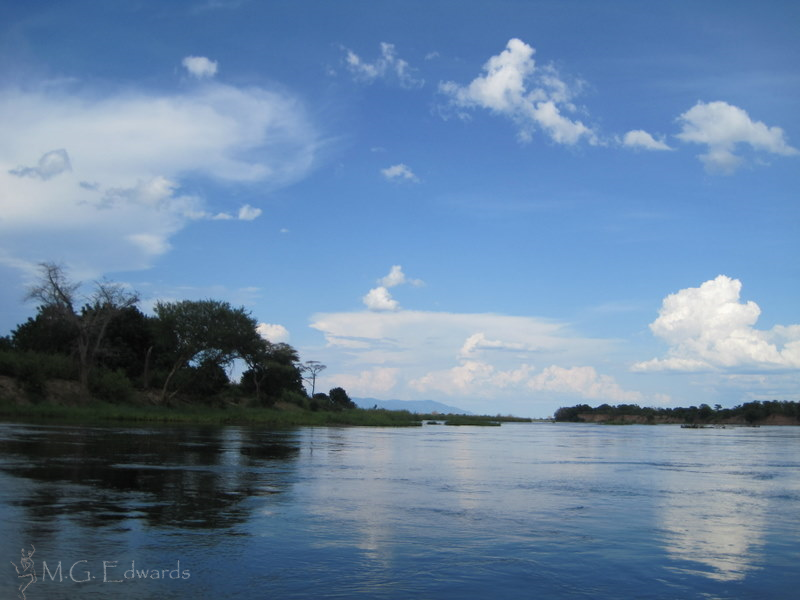
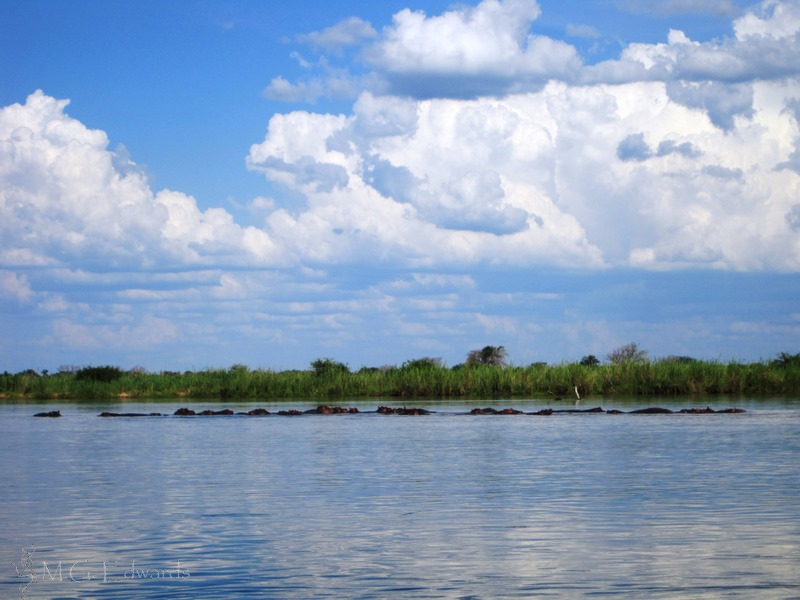
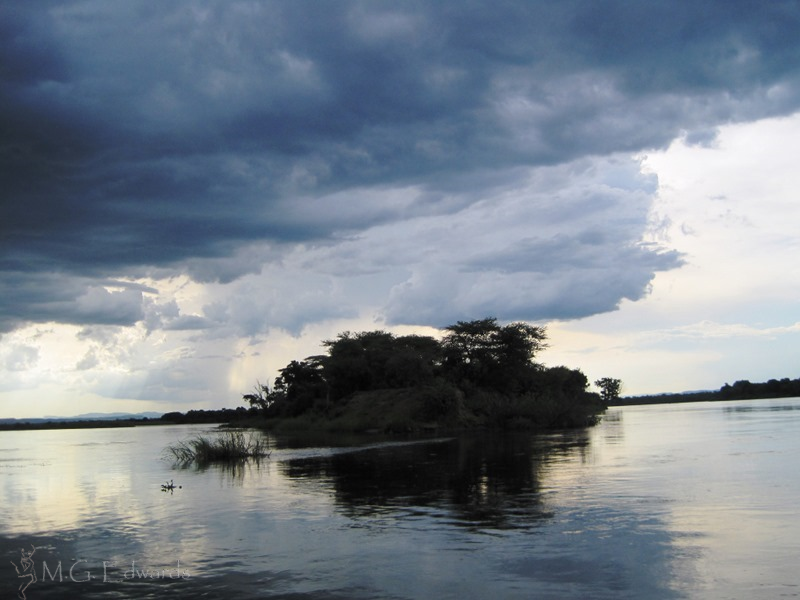
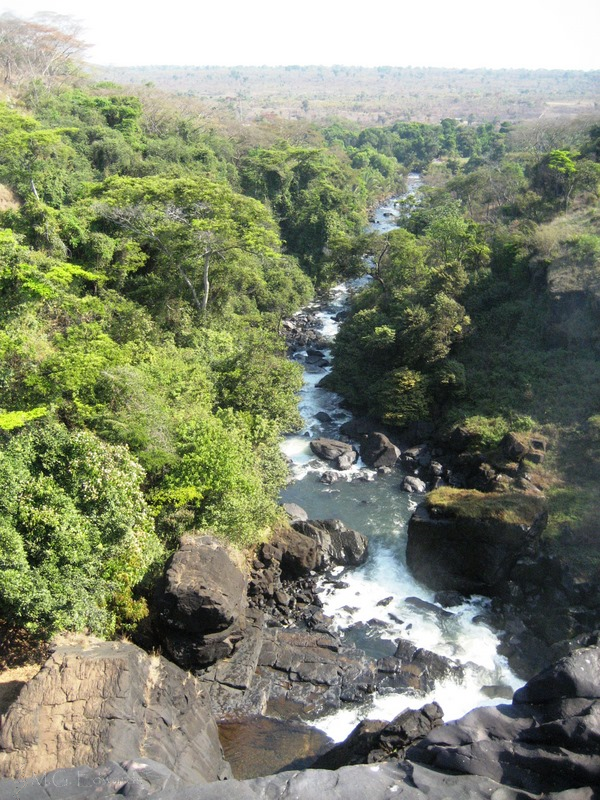
 4. Northern Circuit: Zambia is keen to promote tourism in Northern Province on the Tanzanian border. Kasaba Bay on Lake Tanganika, one of Africa’s Great Lakes, is currently under development as a major tourist destination. Once it’s completed sometime in the next decade, the area will boast several high-end resorts. Fly to the Mbala airport near Kasaba Bay, or into the regional capital, Kasama. Hire a car and travel the back roads through beautiful country with subtropical forests, colorful villages, and spectacular waterfalls overshadowed by Victoria Falls such as Chishimba Falls.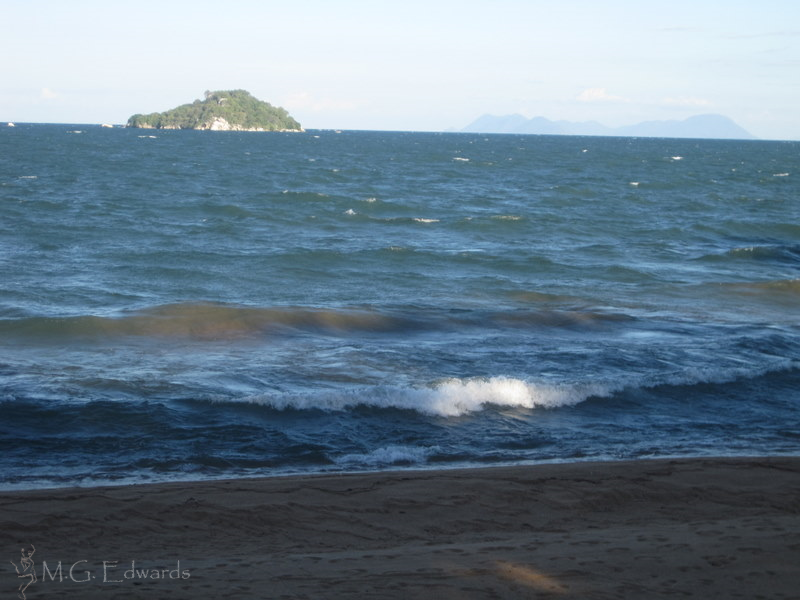
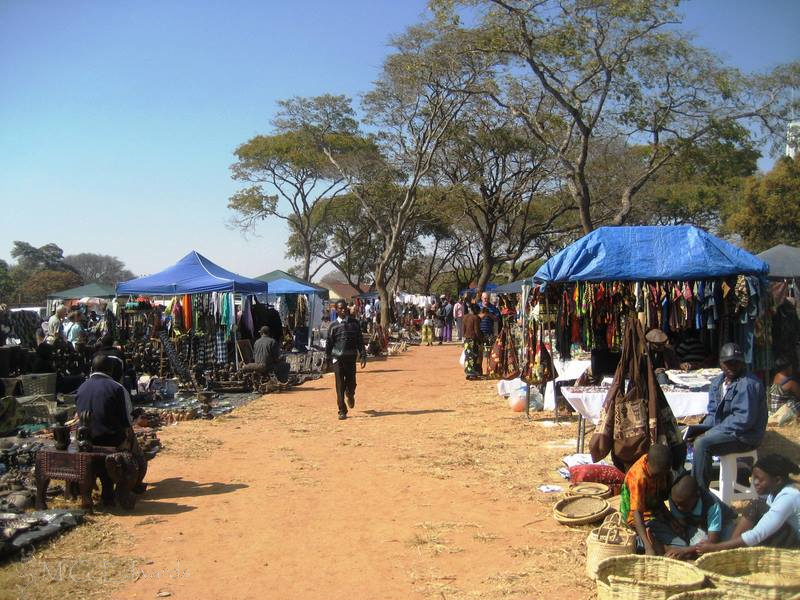
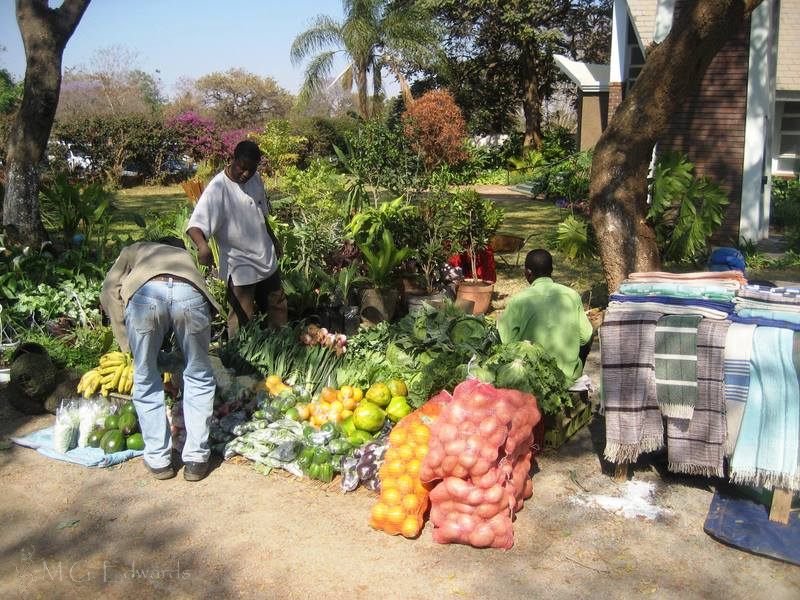
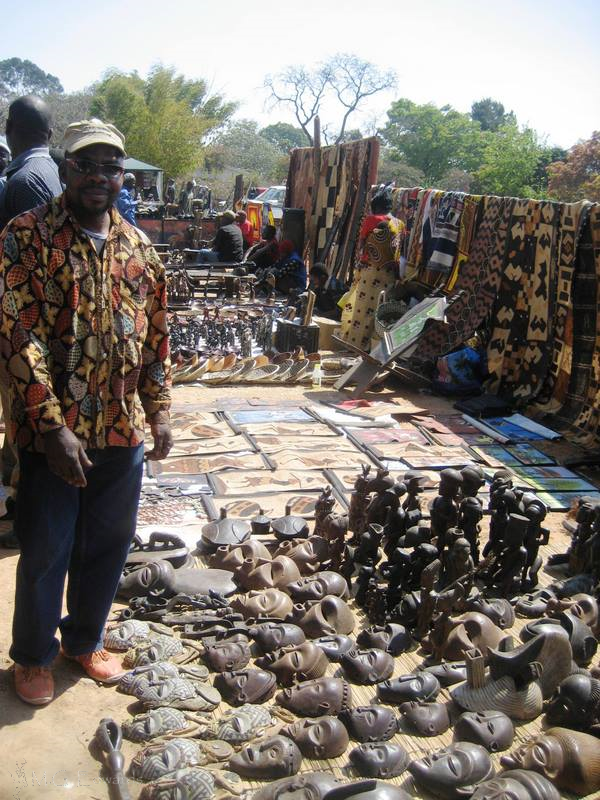
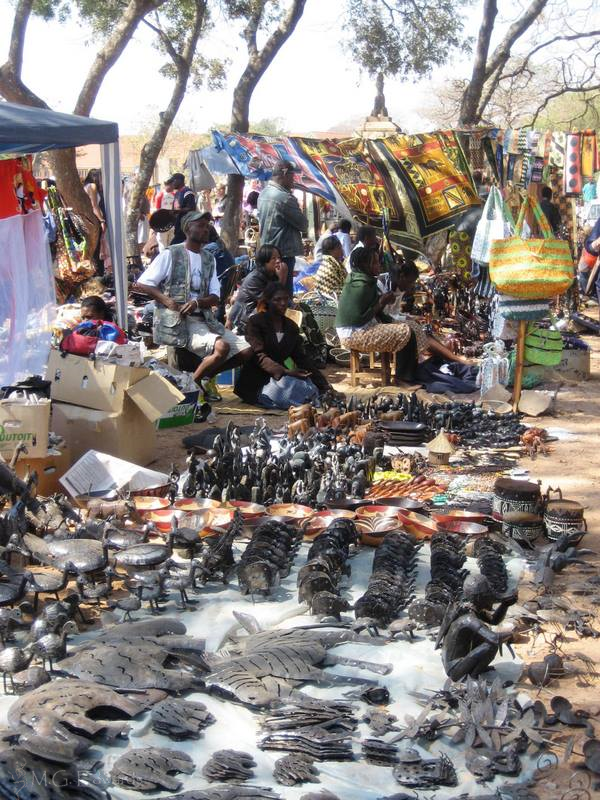
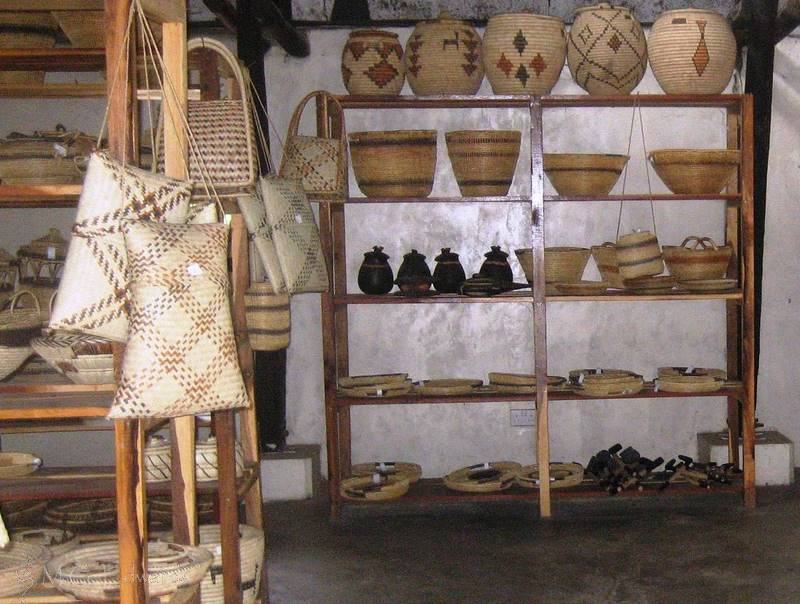
 5. Saturday Dutch Market: Every last Saturday of the month, Zambia’s largest open-air market sets up shop at the Dutch Reformed Church in the Kabulonga area of Lusaka. Artisans from Zambia and neighboring countries bring their arts and crafts to you. It’s one of the few places where you can find Zimbabwean soap stone sold next to Zambian copper plates. You can also taste a variety of ethnic dishes and buy produce. If you miss this market, try the smaller Sunday Market at the Arcades Shopping Centre in Lusaka that happens every week. Be sure to bargain – the vendors will reduce prices below their original quotes and expect you to barter.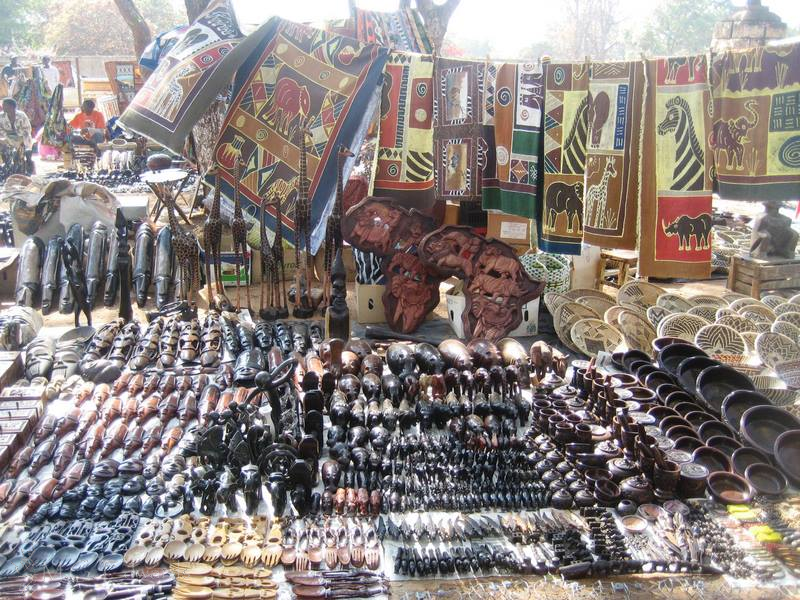
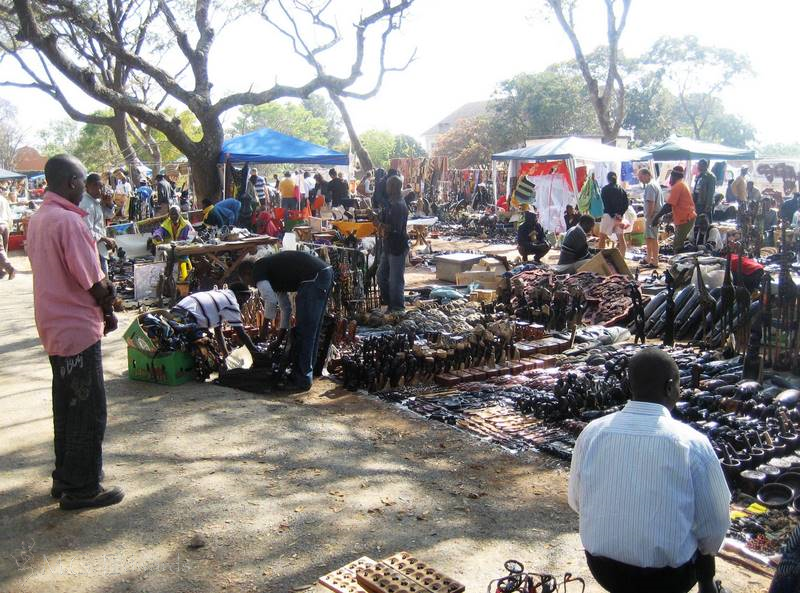
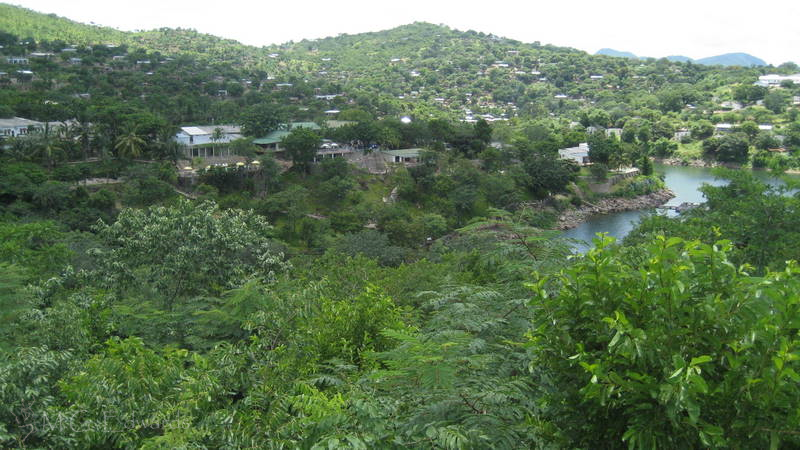
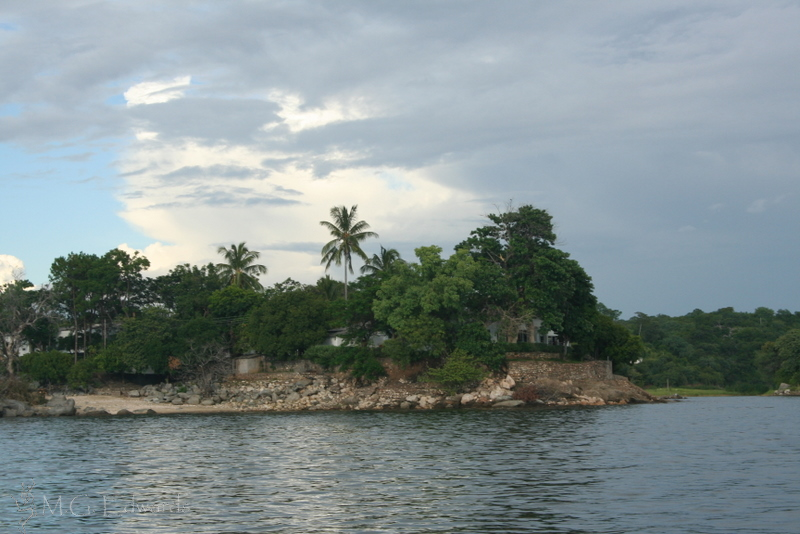
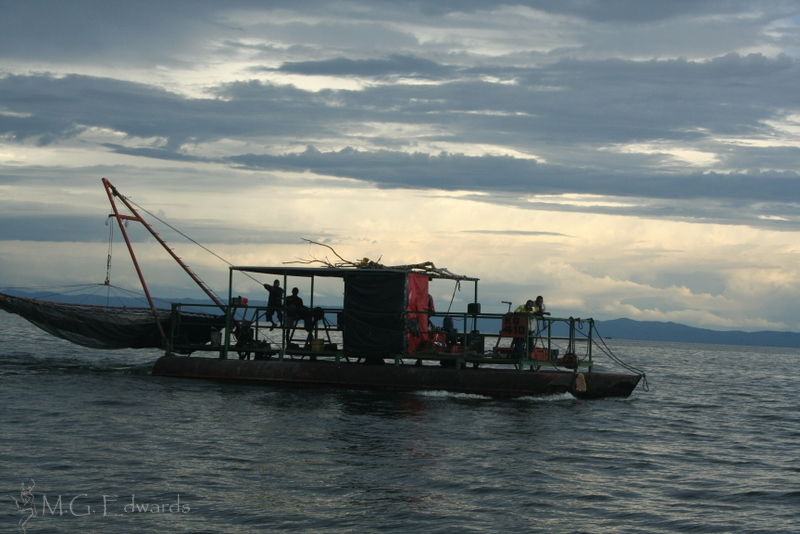
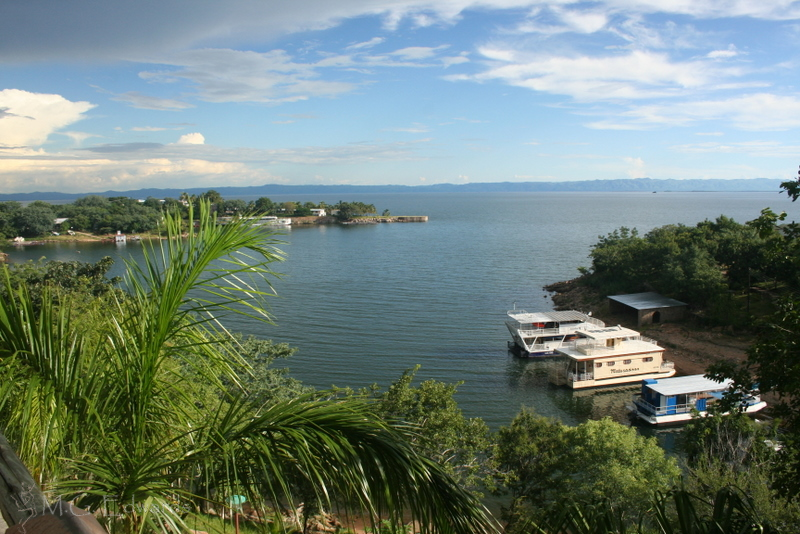
 6. Lake Kariba: Spend a weekend on the world’s largest artificial lake, Lake Kariba, located in Southern Province on the Zimbabwean border. Stay in the town of Siavonga for a relaxing getaway. Take a boat cruise and visit Lake Kariba Dam. Dine on local crayfish.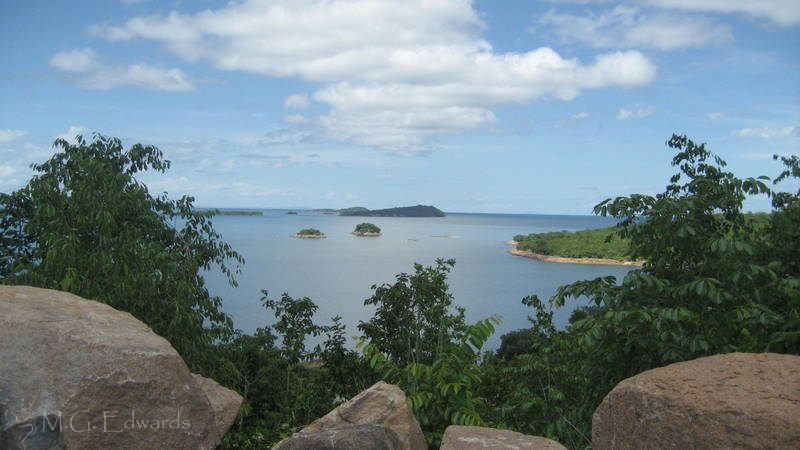
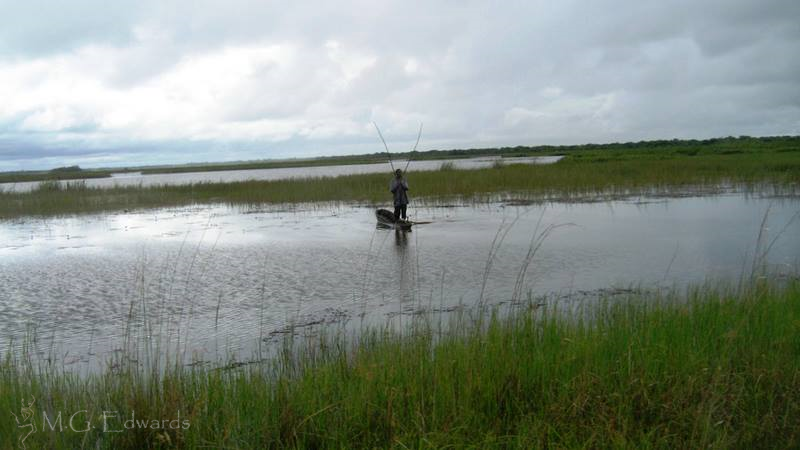
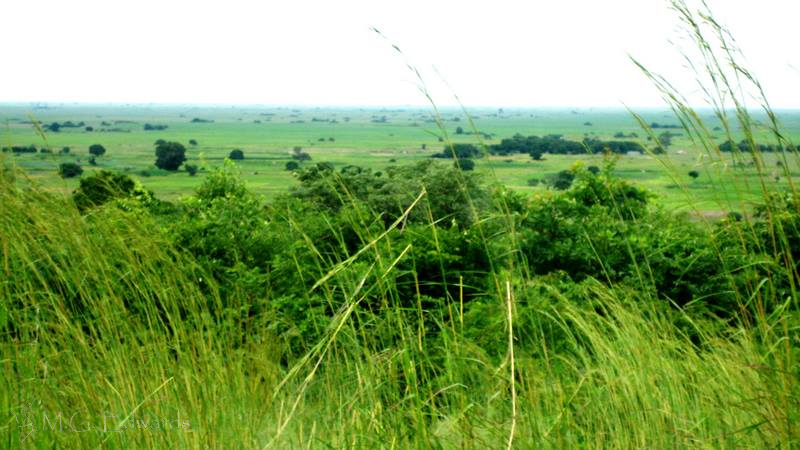
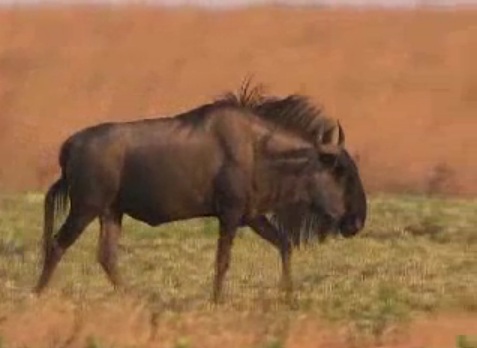
 It’s worth a trip in November at the end of the dry season to see the world’s second largest wildebeest migration, when the herds turn south and head to Namibia. A word of caution — the park is very remote and impassible by land during the rainy season. Even with a 4’x4′ vehicle, the roads are very sandy and difficult to navigate any time of the year. It’s better to visit with an experienced guide.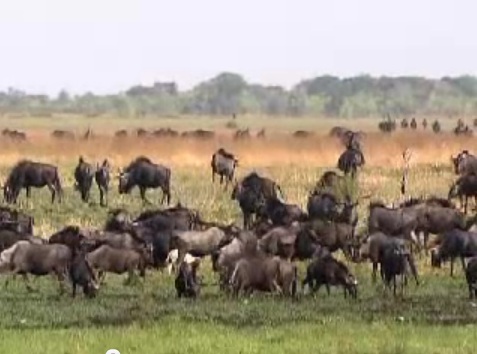
 8. Kafue National Park: Although not as famous as South Luangwa National Park, Kafue National Park in Central Province is a good weekend getaway from Lusaka. It’s Zambia’s oldest and largest national park. Although it suffered for years from game poaching, the animal population has recently rebounded. It’s an easy three-hour drive west of Lusaka, and after a paved road is built, north from Livingstone. Stay at